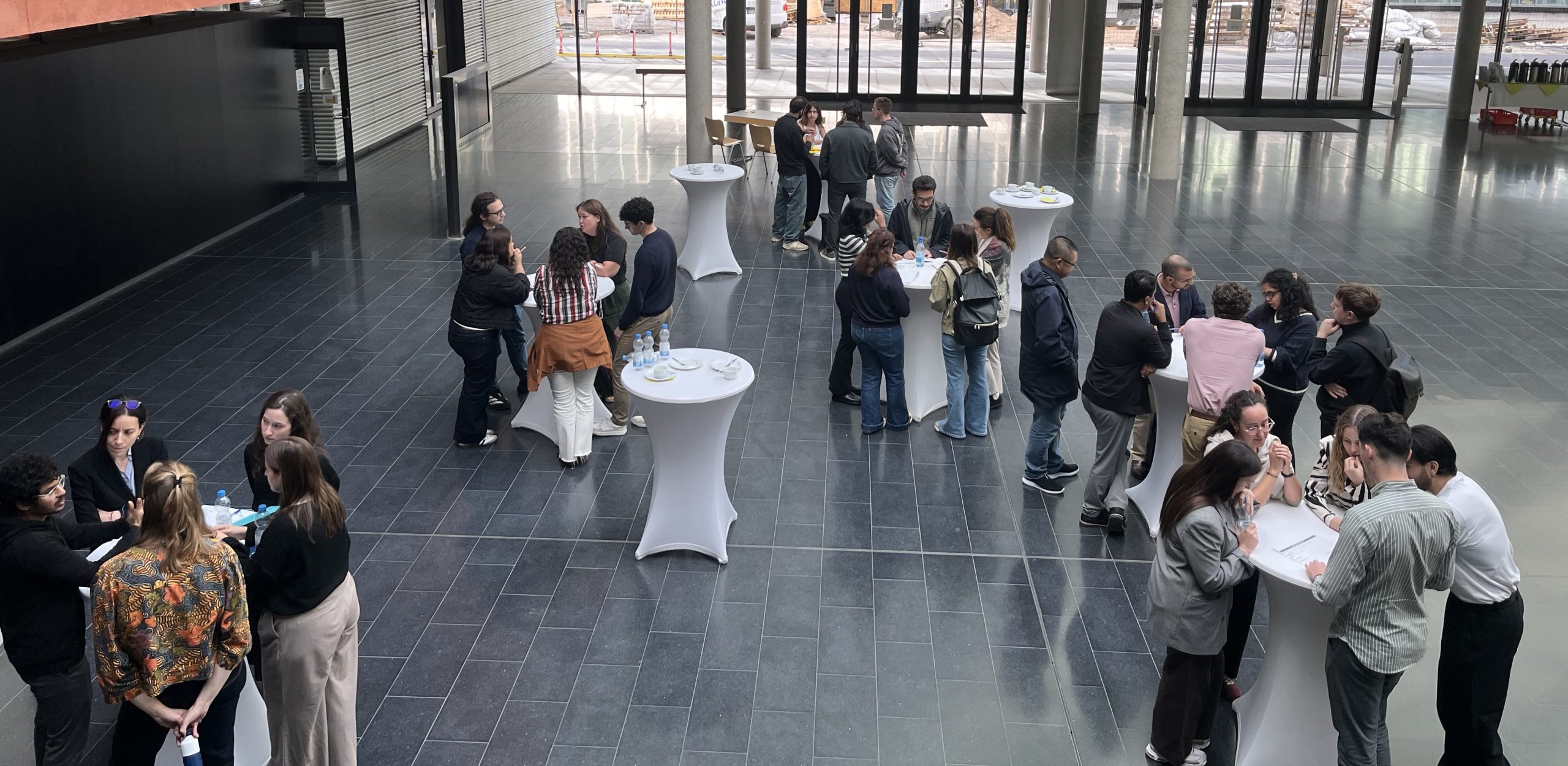
The 1st CINNAMON Training School, organised jointly with the T2EVOLVE Association, took place on 21–22 September at the Rudolf Virchow Center (RVZ) in Würzburg, Germany, bringing together more than 40 trainees from 16 countries and 9 expert trainers for two days of intensive learning, discussion and collaboration around the translation of advanced cell therapies into clinical practice.
Under the theme “From Bench to Bedside: Translating CAR-T and Cell-Based Immunotherapies”, the training school offered participants a comprehensive view of the translational journey of innovative cell-based therapies, from identifying unmet clinical needs and selecting therapeutic targets to preclinical development, regulatory considerations, clinical trials and data-driven approaches to patient care.
The programme was designed to combine expert-led lectures with interactive activities and multidisciplinary discussion. The first day followed the development of a therapy from the initial idea through to preclinical evidence. Sessions addressed therapeutic target selection, next-generation cell therapy engineering, preclinical models and the evidence required to support clinical translation. Participants also took part in an interactive translational workshop, working in multidisciplinary teams on real-life decision-making scenarios involving different perspectives from scientists, clinicians, manufacturers, regulators and patients.
The second day focused on the clinical translation of innovative therapies. Participants explored early-phase cell therapy trial design, including endpoints, patient populations, dose escalation and safety considerations, as well as the infrastructure and multidisciplinary collaboration required to build successful translational programmes. The programme concluded by looking at how harmonised immunomonitoring, integrated datasets and artificial intelligence can help generate clinical insights and support learning healthcare systems.
The training school brought together an international group of experts, providing participants with the opportunity not only to learn from established researchers and clinicians, but also to exchange perspectives and discuss the practical challenges involved in moving innovative therapies towards patients.
The event was hosted by Carmen Sanges and Michael Hudecek. The 9 trainers contributing to the programme were Michael Hudecek, Maria Themeli, Maik Luu, Emmanuel Donnadieu, Julio Delgado, Barbara Huber, Jessica Schmidt, Carmen Sanges and Kristin Reiche.
The CINNAMON Training School provided an opportunity to connect perspectives across the translational pathway and strengthen the knowledge, skills and networks needed to advance innovative cell therapies from research towards clinical application.